








What actually moves the needle in the Indian beverage press right now?
India’s beverage media ecosystem has changed more in the last three years than it did in the decade before. There are more brands, more launches, more bars, more SKUs, and more founder stories than the media can physically process. The result is not that journalists have become uninterested — it’s that selectivity has become ruthless.
Earned media in 2026 is no longer about “getting coverage.” It is about earning a place in a very crowded narrative economy.
1. Quarterly presence beats launch spikes - With hundreds of spirits, RTDs, bars, and extensions entering the market every year, journalists no longer build mental space for brands that appear once and disappear. What they respond to now is familiarity and continuity. This is why the strongest brands in earned media today run zone-wise, quarterly journalist engagement programmes. These are not press conferences. They are low-key tastings, roundtables, and theme-led immersions that allow writers to keep encountering the brand in different contexts.
2. Listicles now outperform standalone stories because editors need fast, high-performing formats. Why? Because they solve three problems for editors:
a. They perform well on search and social
b. They are easy to publish quickly
c. They can accommodate multiple brands
d. These are what drive searches and brand recall today.
What works best:
• Special-day driven lists (Women’s Day, Father’s Day, Diwali, World Cocktail Day, New Year’s Eve, Valentine’s, etc.)
• Format-specific lists (best sipping whiskies, best low-ABV cocktails, best luxury spirits, best Indian-made spirits, best bar collaborations, etc.)
• Price-point lists (under ₹2,000, under ₹5,000, luxury gifting, collector’s bottles)
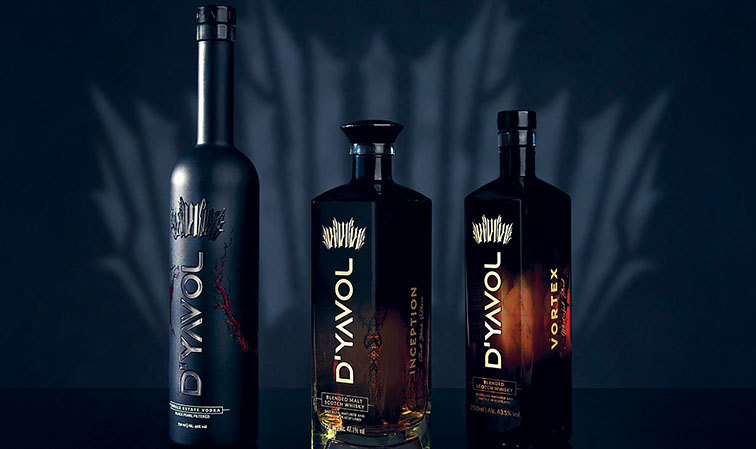
3. Collaborations only matter if PR amplifies them. And Lifestyle buzz ≠ earned media. Brand collaborations — with bars, hotels, chefs, artists, or designers — are still valuable. But in 2026, they will only convert to earned media if: They have a clear story (not just a menu or bottle). They are supported by journalist engagement, not just social posts. Without that, collaborations stay trapped inside Instagram and influencer loops.
4. Pure “new brand” stories are now rare, unless they have a larger hook. The market is too crowded for “Brand X launches whisky Y” to survive on its own. What does get traction is when a launch connects to: A heritage revival, A new category, A first-of-its-kind innovation, sometimes a celebrity. This is why native spirits, Indian ingredients, forgotten categories, and terroir stories are dominating right now.
5. Heritage and native spirits are the emotional core of the category. Mahura, feni, toddy, rice spirits, indigenous grains, regional woods, local yeast, or forest botanicals. In a sea of similar-looking bottles, heritage is the strongest differentiator.
6. Celebrity launches have a shifted role. Don’t get me wrong they still create noise — but mostly in listicle and headline formats. Media no longer wants to write long profiles about celebrity spirits unless the celebrity is deeply involved in the liquid or process. Or the brand has serious scale or ambition. Otherwise, celebrities now function more as visibility accelerators, not as storytelling anchors
7. The strongest-performing earned media today answers one of three questions:
a. What should I drink today?
b. What should I gift?
c. What should I buy?
d. What should I make?
8. The last truth - not everything deserves PR. The biggest shift is not about amplifying every activity or marketing campaign. It’s about showcasing how you’re doing more for the country, category, or talent. Writers and readers don’t care about bartender competitions; they care about new cocktail trends – what’s in the glass and who is making it (more so now because of the number of new bars emerging daily). The human story is what sells; it is what will continue to sell in the coming years.